What to see
Monuments and heritage
Churches, historic buildings, museums
Baroque churches, sugar factories turned into museums, theatres, stately homes and gardens. Motril's heritage tells five centuries of history between the sea and the sugar cane. Every place includes an audio guide in Spanish, French and English.
- 01Sanctuary of Our Lady of la CabezaFREE ENTRY
- 02Capuchin Church (Divina Pastora)FREE ENTRY
- 03Motril Fish MarketFree Entry
- 04Charca de Suárez Nature ReserveFree Entry
- 05Church of El CarmenFree Entry
- 06Playa de PonienteFree Entry
- 07Church of the IncarnationFree Entry
- 08Church of the Convent of the NazarenasOutside ✅
- 09St. Anthony’s HermitageFree Entry
- 10Hermitage of the Lord of JunesFree Entry
- 11Nuestra Señora del Pilar Sugar Factory - MuseumFree entry
- 12Calderón de la Barca TheatreFree Entry
- 13Pre-Industrial Sugar MuseumGeneral admission: €3.00
- 14Municipal MarketFree Entry
- 15House of the PalmFree Entry
- 16King Baudouin MemorialWinter (from 01/09 to 30/06): Wednesday to Sunday from 10:00 to 14:00.
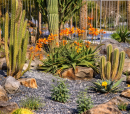
- 17“Teresa” Botanical Garden of Cacti and SucculentsFree Entry
- 18Museum of the History of Motril3.00€
- 19House of the Countess of Torre-IsabelFree entry
- 20Hernández Quero Art CenterFree entry
- 21Town HallFree entry
- 22Juan Carlos Garvayo AuditoriumExterior ✅
- 23Park of the Peoples of AmericaFree Entry








Sanctuary of Our Lady of la Cabeza
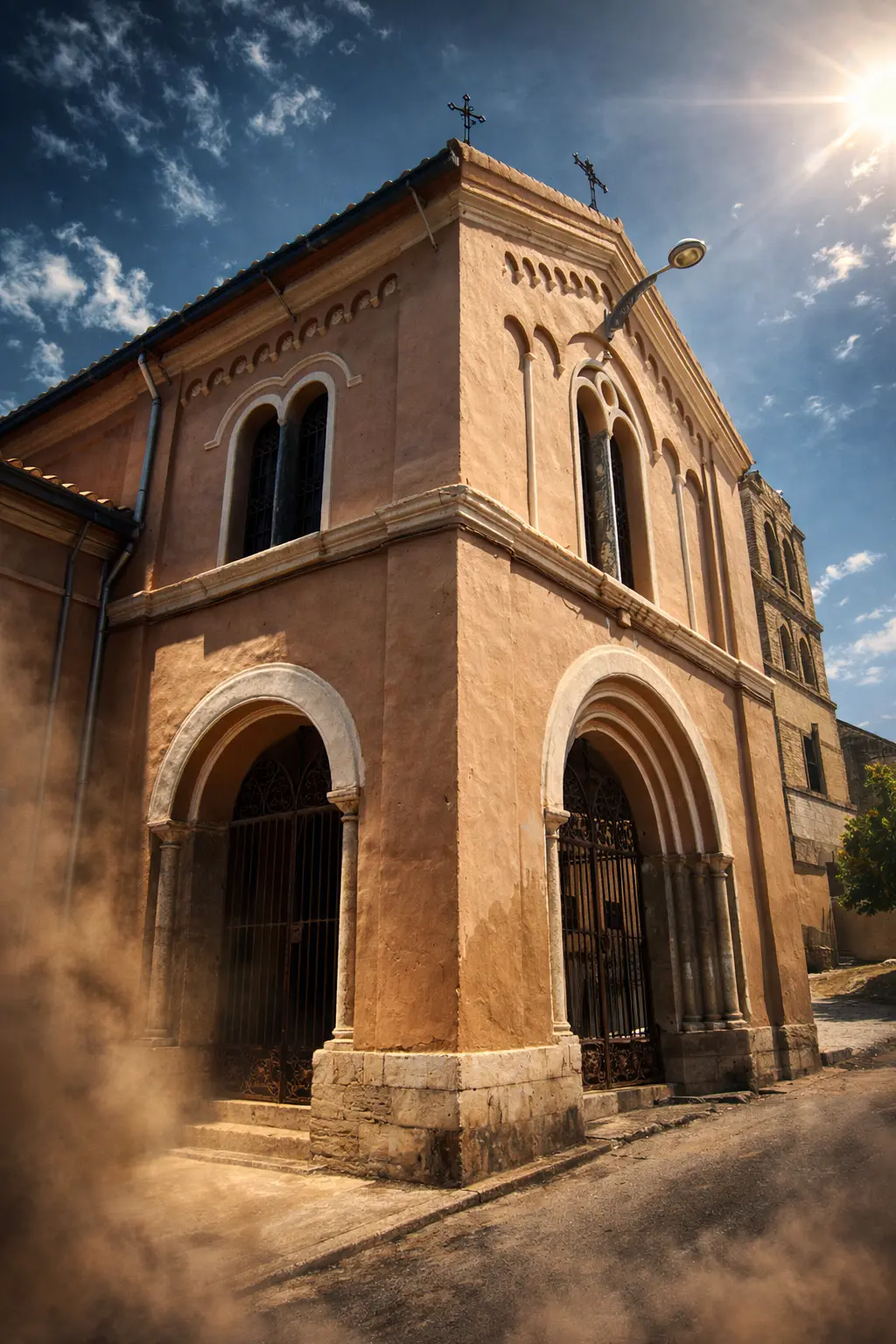
In Motril, history and devotion are preserved at the Sanctuary of Our Lady of la Cabeza. This historic religious site developed between the 17th and 18th centuries as one of the city’s main places of worship, closely linked to Motril’s social and spiritual life.
Capuchin Church (Divina Pastora)
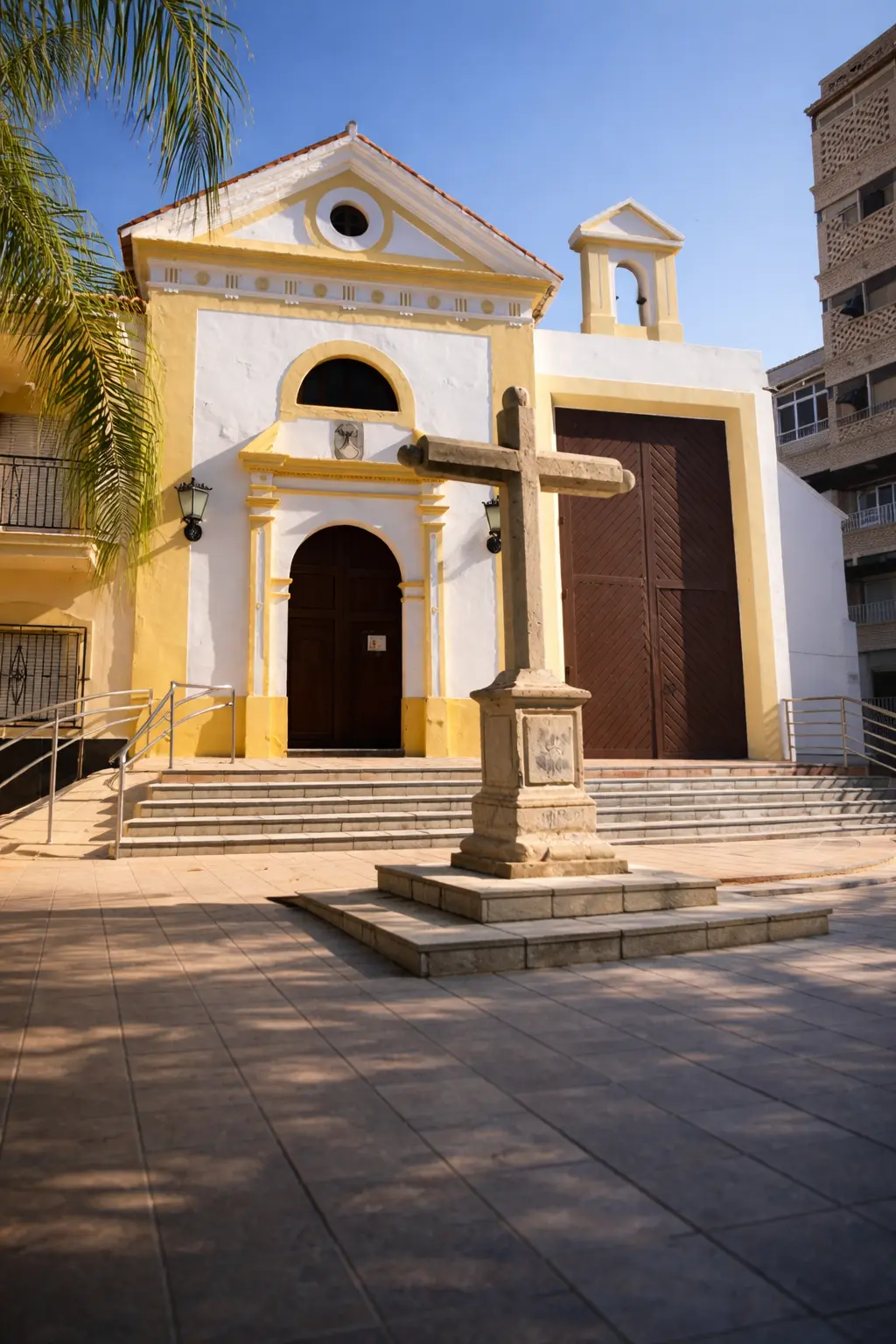
In Motril, history and devotion come together at the Sanctuary of the Divina Pastora. This devotion reached the city in the 18th century, during its expansion across Andalusia, and became one of the most deeply rooted traditions among the people of Motril.
Charca de Suárez Nature Reserve
In Motril, nature finds its refuge in Charca de Suárez, a unique protected natural area on the Costa Tropical. This former wetland, restored at the end of the 20th century, has become one of the city’s main green lungs and a privileged place for birdwatching.
Church of El Carmen
In Motril, the Church of El Carmen is a jewel of the local heritage.
Playa de Poniente
In Motril, Playa de Poniente is one of the most emblematic destinations on the Costa Tropical of Granada.
Church of the Incarnation
In the heart of Motril stands the Major Church of the Incarnation, one of the oldest and most emblematic monuments in the city. It was built between 1510 and 1514 on the remains of the former Alixara mosque after the Christian conquest, and it features a mixture of architectural styles that reflect its historical evolution: Mudejar, Gothic, Renaissance, and Baroque.
Church of the Convent of the Nazarenas
In the historic center of Motril stands the Church of the Convent of the Nazarenas, a temple that forms part of the former convent of the Augustinian Recollect Nazarenas, whose presence in the city dates back to the early 18th century.
St. Anthony’s Hermitage
In the northern area of Motril stands the Hermitage of Saint Anthony, a temple of strong historical character whose construction dates back to the 17th century, in Baroque style.
Hermitage of the Lord of Junes
In the Junes area, near Motril, stands the Hermitage of the Lord of Junes, a place of deep devotion and tradition for the people of Motril.
Nuestra Señora del Pilar Sugar Factory - Museum
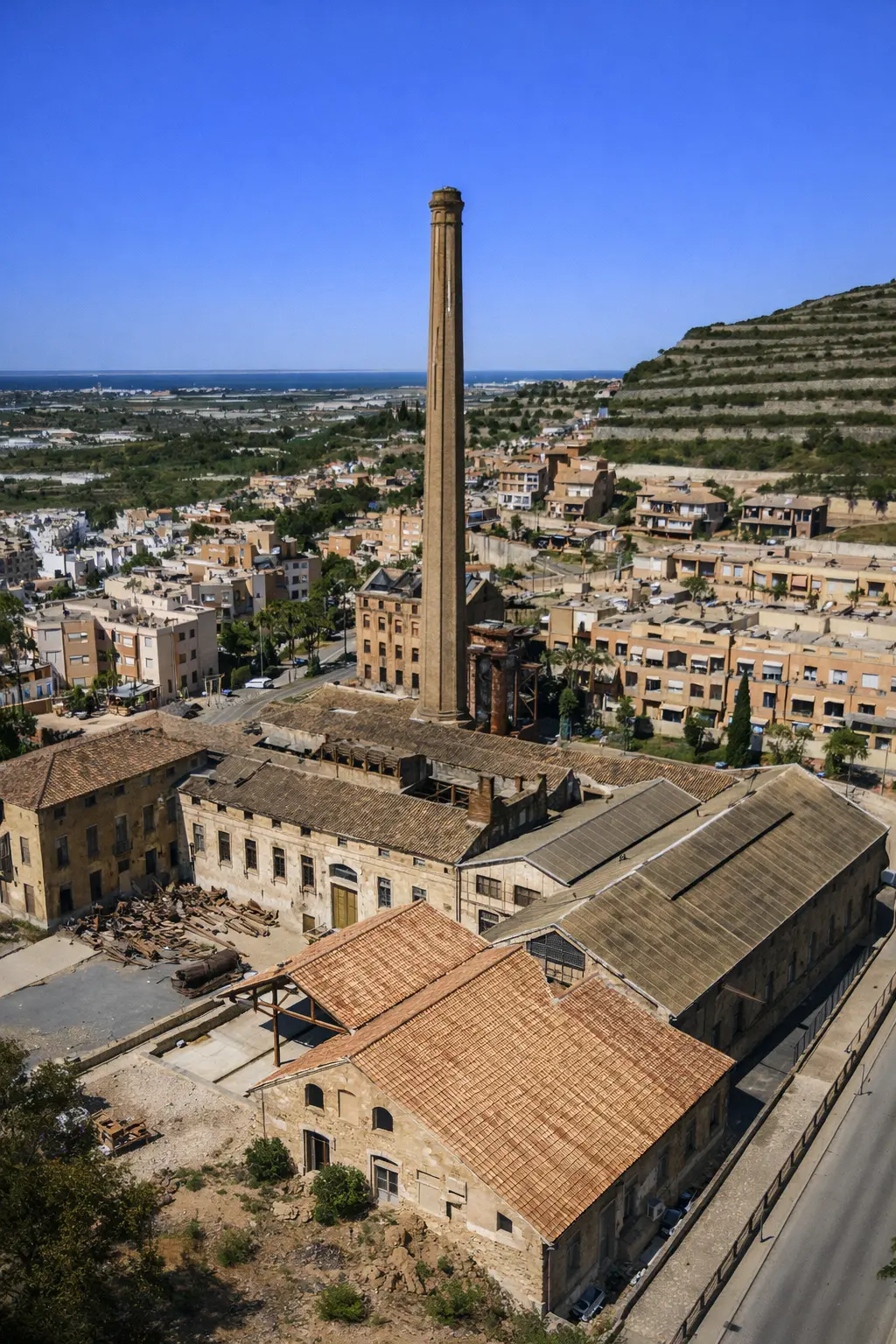
In Motril, the Nuestra Señora del Pilar Sugar Factory is one of the most emblematic landmarks of the city’s industrial heritage.
Calderón de la Barca Theatre
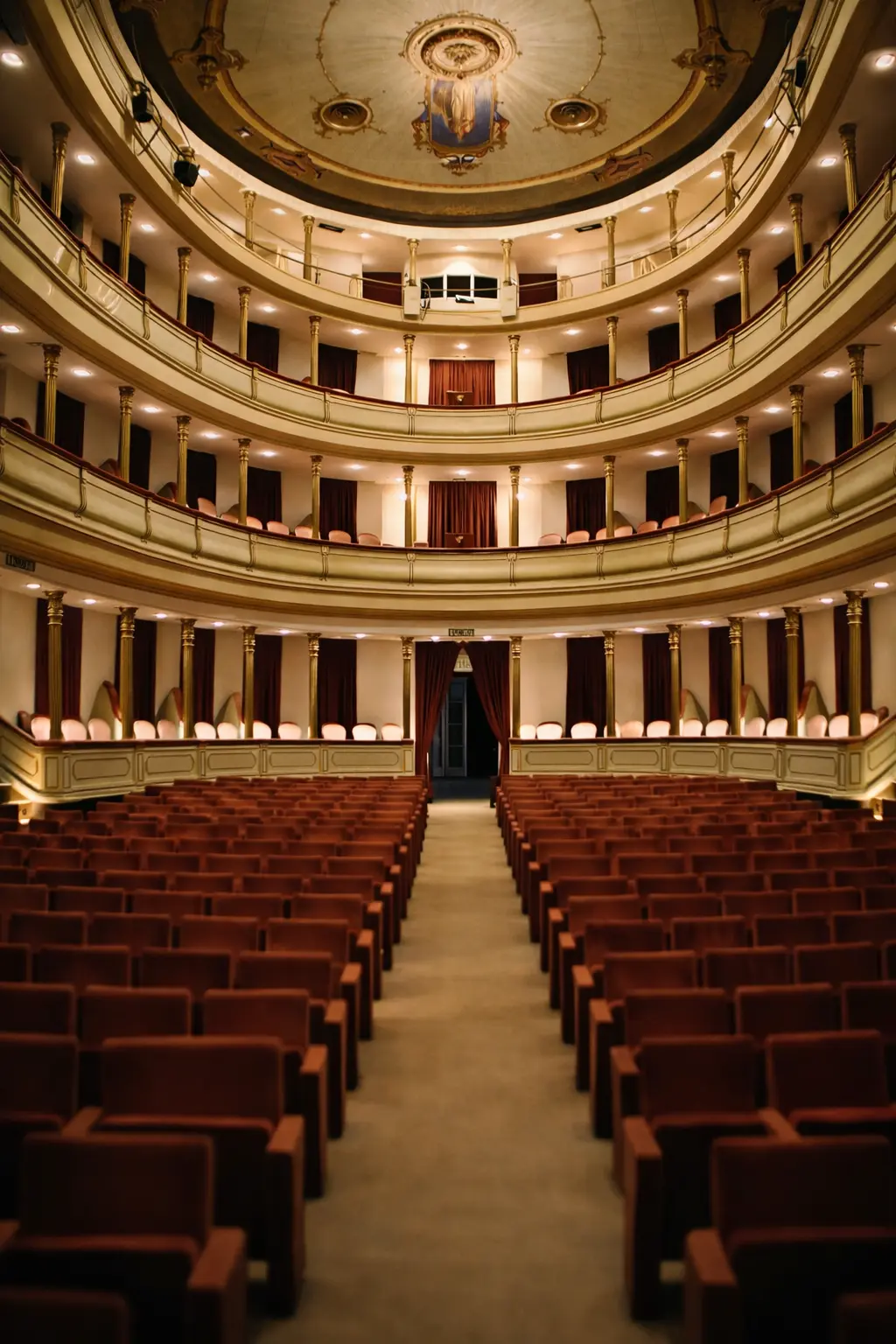
In the heart of Motril stands the Calderón de la Barca Theatre, one of the most emblematic cultural buildings in the city.
Pre-Industrial Sugar Museum
In Motril, the Pre-Industrial Sugar Museum offers a window into the industrial past of the city and the entire Costa Tropical.
Municipal Market
In the heart of Motril lies the Municipal Market, a place full of life, tradition, and authentic flavors of the Costa Tropical.
House of the Palm
In Motril stands the Casa de la Palma, an emblematic building whose history dates back to the 16th century, when it was an old sugar factory and mill in one of the main sugarcane production centers of the region.
King Baudouin Memorial
In Motril stands the King Baudouin Memorial, a commemorative space honoring the visit of King Baudouin I of Belgium to the city and highlighting the historical ties between Motril and Belgium. This monument recalls a significant episode of cultural exchange and international friendship, showing how a Mediterranean town connects with Europe beyond its local history.
“Teresa” Botanical Garden of Cacti and Succulents
In Motril, nature expresses itself in a unique way at the “Teresa” Botanical Garden of Cacti and Succulents, a space dedicated to the plant diversity of arid and tropical climates.
Museum of the History of Motril
In the heart of the city stands the Museum of the History of Motril, a space dedicated to understanding the past and identity of the Costa Tropical.
House of the Countess of Torre-Isabel
In the historic center of Motril stands the House of the Countess of Torre-Isabel, one of the most representative stately buildings in the city.
Hernández Quero Art Center
In Motril, the Hernández Quero Art Center is a space dedicated to culture, art, and the historical memory of the city.
Town Hall
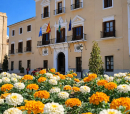
In the historic center of Motril stands the Town Hall, the seat of institutional life and a symbol of the city’s municipal government.
Juan Carlos Garvayo Auditorium
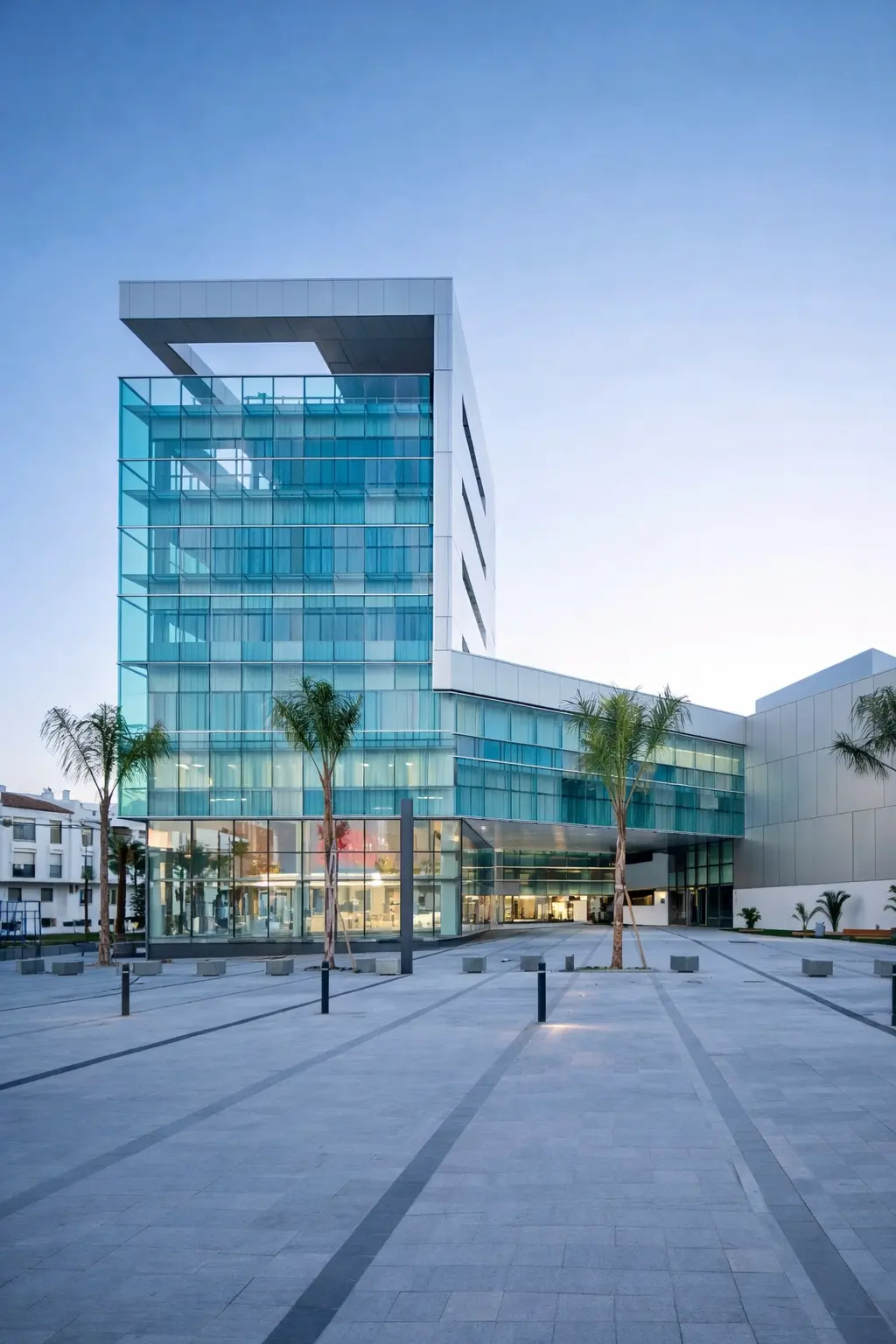
The Juan Carlos Garvayo Auditorium, located in the city of Motril, is one of the most prominent cultural venues on the Costa Tropical.
Park of the Peoples of America
Discover one of the most special spots in Motril: the Park of the Peoples of America.
Gallery
Monuments and heritage

Motril is waiting for you
Between the sea and the mountains, Motril is light, flavour and quality of life. Come and feel it.I love Motril